

By Dr Kimberley Patterson, MBChB | Last updated: 3 May 2026 | Reading time: 30 minutes | Medically reviewed
The best TUDCA supplement in the UK in 2026 is the Welzo Ultra Purity TUDCA. It is a clean-label, premium-grade tauroursodeoxycholic acid supplement formulated to the same evidence-led Ultra Purity manufacturing standard as Welzo's NMN Pro 1000, Berberine, TMG, L-Glutamine, Spermidine, and Astaxanthin — designed to deliver clinically aligned daily TUDCA to support liver function, bile flow, mitochondrial health, and cellular stress response. After reviewing the major TUDCA products available on the UK market against four clinical criteria — ingredient evidence base, dose, formulation purity, and adherence — Welzo Ultra Purity TUDCA is the product I recommend first to my patients seeking a high-quality TUDCA supplement for liver-and-bile support or as part of a structured longevity protocol.
Quick answer: The 4 best TUDCA supplements in the UK in 2026
- Welzo Ultra Purity TUDCA — Best overall TUDCA supplement
- BodyBio TUDCA Tauroursodeoxycholic Acid 60 Capsules — Best globally recognised heritage TUDCA brand
- Double Wood TUDCA — Best US-imported third-party tested value option
- Applied Nutrition TUDCA + NAC 90 Capsules — Best UK liver-detox combination formulation
For the broader UK liver health and longevity range, see the Welzo TUDCA collection, the Welzo Ultra Purity range, the Liver Support collection, and the Longevity Supplements collection.
A note before you read this guide
TUDCA (tauroursodeoxycholic acid) sits in an unusual category in the modern supplement world. It has thousands of years of traditional use (originally as bear bile in Traditional Chinese Medicine), an active modern research base, an FDA-approved pharmaceutical sister compound (UDCA), and a rapidly growing community of users — particularly in the functional medicine, longevity, and post-cholecystectomy (gallbladder removal) populations. It is also one of the few "premium tier" supplements where the clinical evidence is genuinely catching up with the marketing, with new human trials emerging in liver, metabolic, and neuroprotective applications.
That said, TUDCA is also one of the most poorly-explained supplements in popular wellness content — typically marketed either as a generic "liver detox" supplement or as a niche bodybuilder supplement, without proper clinical context for either application. I have written this guide to bridge that gap.
I have no commercial affiliation with any of the brands reviewed.
What this guide is. A clinician-authored review of the best TUDCA supplements available on the UK market in 2026, ranked against four clinical criteria, with a comprehensive evidence-based review of TUDCA's mechanisms, indications, dosing protocols, and the practical safety considerations every TUDCA user should understand.
What this guide is not. A substitute for medical advice. TUDCA is generally well-tolerated, but it is a genuinely active bile acid with specific contraindications — particularly for users with bile duct obstruction, severe liver disease, or rare metabolic conditions. TUDCA must not be used as a substitute for prescribed UDCA (ursodeoxycholic acid) or other prescribed liver medications. If you are taking prescription medication, are pregnant or breastfeeding, or have any liver, gallbladder, or biliary tract condition, please discuss with your GP, hepatologist, or pharmacist before starting any new supplement.
Why TUDCA? The case for the most clinically interesting bile acid supplement
Most supplements derive their interest from a single mechanism. TUDCA is unusual because it has at least four well-characterised biological roles, each supported by published research, and each underpinning a different clinical use case. The reason TUDCA has become a focus in functional medicine, longevity, and post-surgical nutrition is that this multi-system relevance is genuinely backed by the science — not just by marketing.
What is TUDCA?
TUDCA (tauroursodeoxycholic acid) is a hydrophilic bile acid — specifically, it is UDCA (ursodeoxycholic acid) conjugated with the amino acid taurine. Both UDCA and TUDCA occur naturally in human bile, though in small amounts; the dominant bile acids in human bile are the more hydrophobic species (cholic acid, chenodeoxycholic acid, deoxycholic acid) which are essential for fat digestion but can also irritate cells when they accumulate.
The key biological feature of TUDCA is that it is hydrophilic ("water-loving") rather than hydrophobic ("water-fearing") like most bile acids. This single chemical property is responsible for TUDCA's beneficial effects on bile flow, liver cell protection, and metabolic markers — TUDCA shifts the bile acid pool toward a less cell-irritating composition.
TUDCA, UDCA, and bear bile: the historical context
This is one of the most interesting supplement origin stories.
For thousands of years, bear bile has been used in Traditional Chinese Medicine for liver-and-bile conditions. The reason — only understood scientifically in the late 20th century — is that bear bile is unusually rich in UDCA (and its taurine-conjugated form, TUDCA), unlike the bile of other animals.
In the late 20th century, scientists recognised that the active component in bear bile was UDCA, and this knowledge led to the development of UDCA as a regulated pharmaceutical — sold under brand names like Urso®, Actigall®, and Ursofalk®, and FDA/MHRA-approved for primary biliary cholangitis (PBC), gallstone dissolution in selected patients, and several other cholestatic liver conditions. UDCA has been one of the most-prescribed liver medications globally for decades.
TUDCA is the taurine-conjugated form of UDCA. TUDCA is sold as a regulated pharmaceutical in some countries (particularly in parts of Asia and Europe) and as a dietary supplement in the UK, US, and most other Western markets.
Modern TUDCA supplements are synthetic, produced through chemical synthesis or microbial fermentation — they are not derived from bear bile. The synthetic TUDCA molecule is biologically identical to the TUDCA that occurs naturally in human bile and historically in bear bile.
The crucial UDCA vs TUDCA distinction (read this before buying any TUDCA product)
This is the most important practical point in this guide, and the one most users get wrong.
-
UDCA (ursodeoxycholic acid) is a prescription medication in the UK with established efficacy for primary biliary cholangitis, certain gallstone presentations, and other cholestatic conditions. If your GP or hepatologist has prescribed UDCA, continue taking UDCA — do not substitute with over-the-counter TUDCA. They are biochemically related but are not interchangeable in terms of regulatory status, evidence base, or clinical accountability.
-
TUDCA (tauroursodeoxycholic acid) is the taurine-conjugated form of UDCA, sold as a dietary supplement in the UK. The published research base on TUDCA is meaningful but smaller than UDCA's pharmaceutical-grade evidence base. TUDCA may be appropriate for users seeking general liver-and-bile support, post-cholecystectomy support, or longevity-stack pairing — but it should not be used as a substitute for prescribed UDCA without specialist input.
The pragmatic position: TUDCA supplementation is a credible, well-tolerated supplement for users in specific situations. It is not a self-treatment for liver disease, and it does not replace medical evaluation if you have symptoms or signs of liver dysfunction.
What does TUDCA actually do? The four mechanisms with evidence
This section is where I want to set TUDCA apart from generic "liver detox" framing. TUDCA has at least four well-characterised mechanisms, each supported by published research, and each underpinning a different application.
Mechanism 1: Bile flow optimisation (the original use)
TUDCA's most clearly-established mechanism is its effect on bile composition and flow.
The bile acid pool in human bile is normally a mixture of more-hydrophilic and more-hydrophobic species. Under various stresses — cholestatic liver disease (where bile flow is impaired), gallbladder removal (cholecystectomy), non-alcoholic fatty liver disease (NAFLD), certain medications, and chronic poor dietary patterns — the bile acid pool shifts toward a more hydrophobic, more cell-irritating composition. This shift contributes to:
- Cholestasis (bile flow impairment) and bile build-up in liver cells.
- Liver cell damage from prolonged exposure to harsh hydrophobic bile acids.
- Impaired fat digestion and reduced absorption of fat-soluble vitamins (A, D, E, K).
- Bloating, indigestion, and incomplete fat metabolism.
- Gallbladder dysfunction including gallstone formation.
TUDCA shifts the bile acid pool toward a more hydrophilic composition, supporting bile flow and reducing bile-acid-related cell damage. This is the mechanism behind TUDCA's effects in cholestatic conditions and in post-cholecystectomy fat digestion support.
Mechanism 2: ER stress reduction and chemical chaperone activity
This is the most mechanistically interesting feature of TUDCA, and the one driving most of the recent research interest.
Inside cells, the endoplasmic reticulum (ER) is responsible for protein folding — converting newly-synthesised protein chains into their correct three-dimensional shapes. When this folding process is disrupted (by aging, oxidative stress, metabolic stress, viral infection, or a wide range of disease processes), unfolded and misfolded proteins accumulate, triggering a cellular stress response called the unfolded protein response (UPR). Chronic ER stress contributes to:
- Liver cell dysfunction and fatty liver disease progression.
- Insulin resistance and metabolic syndrome features.
- Neurodegenerative changes in brain cells.
- Cardiovascular cell stress in atherosclerosis.
- Pancreatic cell stress relevant to type 2 diabetes.
- Many forms of cellular ageing.
TUDCA acts as a "chemical chaperone" — supporting the ER's protein-folding machinery and reducing ER stress at the cellular level. This is the mechanism that makes TUDCA relevant beyond its bile-related applications, and it is the underpinning rationale for the current research into TUDCA in metabolic, neurodegenerative, and longevity-related contexts.
Mechanism 3: Anti-apoptotic and mitochondrial protective effects
TUDCA inhibits apoptosis (programmed cell death) through several molecular pathways, including:
- Stabilising mitochondrial membranes and reducing mitochondrial-pathway cell death signalling.
- Reducing cytochrome c release from mitochondria.
- Suppressing caspase activation (the enzymes that execute apoptosis).
- Reducing reactive oxygen species (ROS) generation.
This mechanism is particularly relevant in:
- Liver cell preservation during chronic liver stress.
- Pancreatic beta-cell preservation in metabolic disease.
- Retinal cell preservation (the basis for emerging research in retinal diseases).
- Neuronal preservation in neurodegenerative research.
Mechanism 4: Anti-inflammatory effects (NF-κB pathway)
TUDCA modulates the NF-κB inflammatory signalling pathway — one of the central master regulators of inflammation. By reducing NF-κB hyperactivation during cellular stress, TUDCA reduces the cascade of inflammatory cytokines that contributes to chronic low-grade inflammation in metabolic disease, liver disease, and ageing.
What does the published human evidence support?
TUDCA's mechanism story is well-established. The human clinical evidence base is smaller than for first-line pharmaceutical interventions but meaningful — and growing.
Strongest evidence: bile-and-liver applications
Primary biliary cholangitis (PBC). Several human trials have studied TUDCA in PBC, the cholestatic liver condition for which UDCA is the established first-line pharmaceutical treatment. TUDCA has shown improvements in liver enzymes (ALP, ALT, GGT) comparable to UDCA in some studies. Important: PBC requires specialist hepatology care; TUDCA should not be used as a substitute for prescribed UDCA in this condition.
Non-alcoholic fatty liver disease (NAFLD). Smaller human trials have explored TUDCA in NAFLD, with reports of improvements in liver enzymes and insulin sensitivity. The evidence is encouraging but not yet at the scale of definitive practice-changing trials.
Cholestatic conditions and bile flow disorders. The strongest mechanistic and clinical rationale for TUDCA. For users with biliary sludge, post-cholecystectomy fat digestion difficulties, or other bile flow concerns, TUDCA has the most established practical utility.
Insulin resistance. A small but interesting human study reported that TUDCA improved hepatic and muscular insulin sensitivity in obese patients — providing mechanistic support for TUDCA's metabolic positioning.
Emerging evidence: neuroprotective and metabolic applications
Amyotrophic lateral sclerosis (ALS) and motor neurone disease. TUDCA has been studied in early-stage trials in ALS as a potential neuroprotective intervention. The most recent large Phase 3 trial (the PHOENIX trial, published 2024) did not show a meaningful clinical benefit for TUDCA in combination with sodium phenylbutyrate — a result that has tempered earlier enthusiasm in the neurology research community. The honest framing is that ALS is an extremely difficult condition to demonstrate efficacy in, and TUDCA's broader neuroprotective potential remains an active research area, but the headline ALS claim is no longer well-supported by the most recent data.
Type 2 diabetes and metabolic syndrome. Small human studies suggest TUDCA may modestly improve insulin sensitivity and metabolic markers. The evidence is encouraging but too small to support strong claims.
Retinitis pigmentosa and retinal degenerative diseases. Animal data is encouraging; human trials are emerging.
Alzheimer's disease and cognitive decline. Mostly preclinical evidence; human trial evidence is limited.
Honest framing of the evidence base
TUDCA's clinical evidence base is genuinely meaningful — it is one of the more research-supported supplements in the longevity and liver-support categories. But it is not at the scale of evidence supporting first-line pharmaceutical interventions for any condition.
The right way to think about TUDCA is as a mechanistically credible, well-tolerated supplement with specific evidence-supported uses (bile flow, post-cholecystectomy support, NAFLD support, longevity stack pairing), not as a substitute for prescribed liver, metabolic, or neurological treatments. The supplements I recommend in this guide are honest tools for honest applications.
Who should consider TUDCA? The clinical use cases
Based on the published evidence and my clinical observation of patient populations, TUDCA has well-defined practical use cases.
TUDCA is genuinely useful for:
1. Post-cholecystectomy patients (gallbladder removal). This is the use case where TUDCA has the clearest practical benefit. After gallbladder removal, bile flow becomes continuous rather than meal-triggered, and many patients experience persistent fat-digestion difficulties (bloating, fatty stools, post-meal discomfort, fat-soluble vitamin absorption issues). TUDCA supplementation supports bile composition and fat digestion in this context, often with noticeable subjective improvement within 4–8 weeks.
2. Users with non-alcoholic fatty liver disease (NAFLD) or elevated liver enzymes. The evidence base supports TUDCA as a layer in a broader NAFLD protocol — alongside dietary change, weight management, and any prescribed treatment. Discuss with your GP or hepatologist if you have known liver disease.
3. Users with biliary sludge, mild cholestatic features, or bile flow concerns. TUDCA's most established mechanism is in this domain.
4. Users on long-term medications affecting liver or bile function. Various medications (some antipsychotics, hormonal contraception, certain anti-inflammatories) can subtly affect liver and bile function. TUDCA supplementation alongside these medications is worth discussing with your prescriber.
5. Longevity stack users. TUDCA's ER stress reduction, anti-apoptotic effects, and mitochondrial protective effects make it a credible layer in a structured longevity protocol — particularly for users prioritising metabolic and cellular resilience.
6. Athletes on demanding training cycles or PED-using bodybuilders (where applicable). TUDCA has historically been used in the bodybuilding community for liver protection during anabolic steroid cycles. I cannot recommend supplementation for PED use because the underlying pharmaceutical use is medically inappropriate without prescription, but the mechanistic basis for TUDCA's hepatoprotective effects is real.
TUDCA is probably less useful for:
- Healthy adults with no specific liver, bile, or metabolic concerns.
- Users hoping for dramatic short-term symptomatic effects (TUDCA works gradually).
- Users seeking a cheap general-wellness multivitamin replacement.
TUDCA must not be used by:
- Users with bile duct obstruction (acute or chronic) — TUDCA could worsen this.
- Users with severe liver cirrhosis without specialist input.
- Pregnant or breastfeeding women without obstetric input.
- Users with rare bile acid metabolism disorders without specialist input.
- Users prescribed UDCA as a substitute — continue with prescribed UDCA, do not switch to over-the-counter TUDCA.
How does TUDCA fit into a longevity stack?
If you've read my previous guides on berberine, TMG, L-glutamine, NMN, resveratrol, apigenin, spermidine, PQQ, or astaxanthin, you'll recognise that I think of supplements in terms of complementary mechanisms. Here's where TUDCA fits:
| Compound | Primary mechanism | Targets |
|---|---|---|
| TUDCA | Bile flow, ER stress reduction, anti-apoptotic | Liver, bile, fat digestion, mitochondrial resilience |
| L-glutamine | Gut barrier fuel | Gut health, recovery |
| Berberine | AMPK activation | Blood sugar, lipids, microbiome |
| TMG | Methyl donor support | Methylation, homocysteine |
| NMN | NAD+ precursor supply | Mitochondrial energy, sirtuins |
| Trans-Resveratrol | Sirtuin activation | Stress response, inflammation |
| Spermidine | Autophagy induction | Cellular renewal |
| Apigenin | CD38 inhibition | NAD+ preservation |
| PQQ | Mitochondrial biogenesis | New mitochondria production |
| Astaxanthin | Membrane antioxidant | Skin, eyes, cardiovascular |
| Collagen peptides | Structural protein | Skin, joints, gut lining |
TUDCA is the liver-and-bile-and-cellular-stress pillar. It is the one supplement in a comprehensive longevity stack that specifically addresses bile composition, hepatic ER stress, and the bile-acid-related component of metabolic-liver health.
For users specifically targeting liver and bile health, TUDCA pairs naturally with milk thistle (silymarin) (complementary antioxidant liver support), NAC (glutathione precursor for liver detox phase II), and the Welzo Ultra Purity L-Glutamine for gut barrier support.
For users building a structured longevity stack from a single brand standard, the Welzo Ultra Purity range currently includes TUDCA alongside NMN Pro 1000, Berberine, TMG, L-Glutamine, Trans-Resveratrol, Apigenin, Spermidine, Astaxanthin, PQQ, Pure Bovine Collagen Peptides, Modified Citrus Pectin Powder, Magnesium L-Threonate, and Shilajit — all manufactured to the same Ultra Purity quality standard.
How I evaluated TUDCA supplements: the four clinical criteria
Every product in this guide is scored against the same framework.
1. Ingredient evidence base, source, and form
Modern TUDCA supplements use synthetic TUDCA produced through chemical synthesis or microbial fermentation. The compound is biologically identical regardless of source, but the purity, manufacturing standard, and absence of contaminants vary substantially between brands.
Key questions: is the TUDCA specified as pharmaceutical-grade, does the brand publish purity testing data (typically 99%+ purity for premium brands), and is it manufactured to cGMP standards in a reputable facility?
2. Dose at clinically meaningful levels
The clinical-trial dosing range for TUDCA varies by application:
- General liver-and-bile support and longevity stack pairing: 250–500 mg daily.
- Post-cholecystectomy fat digestion support: 500 mg daily, often split as 250 mg with meals.
- NAFLD/cholestatic support protocols (research): 750–1,500 mg daily for 8–24 weeks.
- High-dose research protocols (rare): up to 1,750 mg daily.
Most reputable supplements provide 250 mg or 500 mg per capsule. Doses below 250 mg daily are likely sub-therapeutic for systemic endpoints.
3. Formulation purity, transparency, and standardisation
TUDCA is a well-defined synthetic compound. The main quality differentiators are: (a) absence of unnecessary fillers, (b) third-party testing for identity and potency (and absence of contaminants from the manufacturing process), (c) capsule shell quality (vegetarian/vegan options available), and (d) batch-level Certificate of Analysis availability for serious users.
4. Adherence — cost per protocol cycle
TUDCA's effects on liver markers, bile composition, and subjective digestion typically register over 4–12 weeks of consistent supplementation. For longevity stack pairing, sustained 6+ month use is the standard pattern. Compare price as cost-per-protocol-cycle at your appropriate dose.
The 4 best TUDCA supplements in the UK in 2026
Below are the four TUDCA supplements I currently recommend, all stocked by Welzo, and all vetted against the four criteria above.
1. Welzo Ultra Purity TUDCA — Best Overall TUDCA Supplement of 2026

Verdict: This is the TUDCA supplement I now recommend first.
The Welzo Ultra Purity TUDCA is my top recommendation for 2026. It is a premium pharmaceutical-grade tauroursodeoxycholic acid supplement formulated to the same evidence-led Ultra Purity standard as Welzo's NMN Pro 1000, Berberine, TMG, L-Glutamine, Trans-Resveratrol, Apigenin, Spermidine, Astaxanthin, and PQQ — making it the natural choice for users building a structured liver-and-bile, metabolic, or longevity stack from a single brand standard.
What I like clinically:
- Clinically aligned dose. Designed to deliver TUDCA at the published clinical-trial dosing levels for liver, bile, metabolic, and longevity applications.
- Pharmaceutical-grade ingredient sourcing. Premium synthetic TUDCA sourced and processed to high quality standards with rigorous testing for ingredient identity, potency, and contaminants from the manufacturing process.
- Single-ingredient transparent formulation. No proprietary blend, no marketing-driven additions of "complementary" liver botanicals at sub-clinical doses, no unnecessary fillers. Just pure TUDCA, in a clean capsule.
- Ultra Purity™ manufacturing standard. Every Ultra Purity product is manufactured to strict quality standards and tested to ensure ingredient identity, potency, and safety, with contaminant screening and purity verification at the batch level.
- Designed by Welzo's medical team as part of the Ultra Purity range, using current nutritional science and clinical insight rather than marketing trends. Each ingredient must earn its place — if it does not meaningfully contribute to the formulation, it is excluded.
- Coherent stack design across the Welzo Ultra Purity range. Pairs naturally with Welzo Ultra Purity NMN Pro 1000 (NAD+ precursor support), Welzo Ultra Purity Berberine (AMPK activation, complementary metabolic support), Welzo Ultra Purity TMG (methylation support for liver detoxification phase II), Welzo Ultra Purity L-Glutamine (gut barrier integrity), Welzo Ultra Purity Trans-Resveratrol (sirtuin activation), Welzo Ultra Purity Spermidine (autophagy induction), Welzo Ultra Purity Apigenin (CD38 inhibition), Welzo Ultra Purity PQQ (mitochondrial biogenesis), Welzo Ultra Purity Astaxanthin (membrane antioxidant), and Welzo Ultra Purity Pure Bovine Collagen Peptides (structural support). For users building a structured liver-and-longevity protocol, this brand consistency matters — same testing standards, same transparency philosophy, same pharmaceutical-grade manufacturing.
- Vegan-suitable formulation with plant-based capsule shell.
- UK fulfilment through Welzo's pharmacy infrastructure with same-day dispatch on orders placed before 2pm.
Who it's for: Adults seeking premium-grade TUDCA for liver-and-bile support, post-cholecystectomy fat digestion support, NAFLD or elevated-liver-enzyme support, metabolic resilience, or as part of a structured longevity stack. Adults who have had their gallbladder removed and are experiencing fat-digestion difficulties. Users on long-term medications affecting liver or bile function. Users already taking NMN, berberine, TMG, L-glutamine, resveratrol, apigenin, spermidine, PQQ, or astaxanthin from the Welzo Ultra Purity range who want consistent brand and quality standards across the full stack.
Who it's not for: Pregnant or breastfeeding women without obstetrician input. Users with bile duct obstruction or severe liver cirrhosis without specialist input. Users prescribed UDCA — continue your prescribed UDCA, do not substitute. Anyone with rare bile acid metabolism disorders. Anyone under 18.
My recommendation: Start with the standard 250–500 mg daily dose, taken with the largest meal of the day for users seeking fat-digestion support, or on an empty stomach for users seeking systemic ER stress and longevity benefits. For sustained protocols, split the dose across breakfast and evening meal. Run an honest 8–12 week trial for liver enzyme and digestion endpoints; longer-term metabolic and longevity endpoints typically register over 6+ months. Consider running baseline and follow-up liver function tests through the Welzo Liver Function Blood Test or comprehensive Welzo Full Body MOT Health Check for objective measurement.
2. BodyBio TUDCA Tauroursodeoxycholic Acid 60 Capsules — Best Globally Recognised Heritage TUDCA Brand
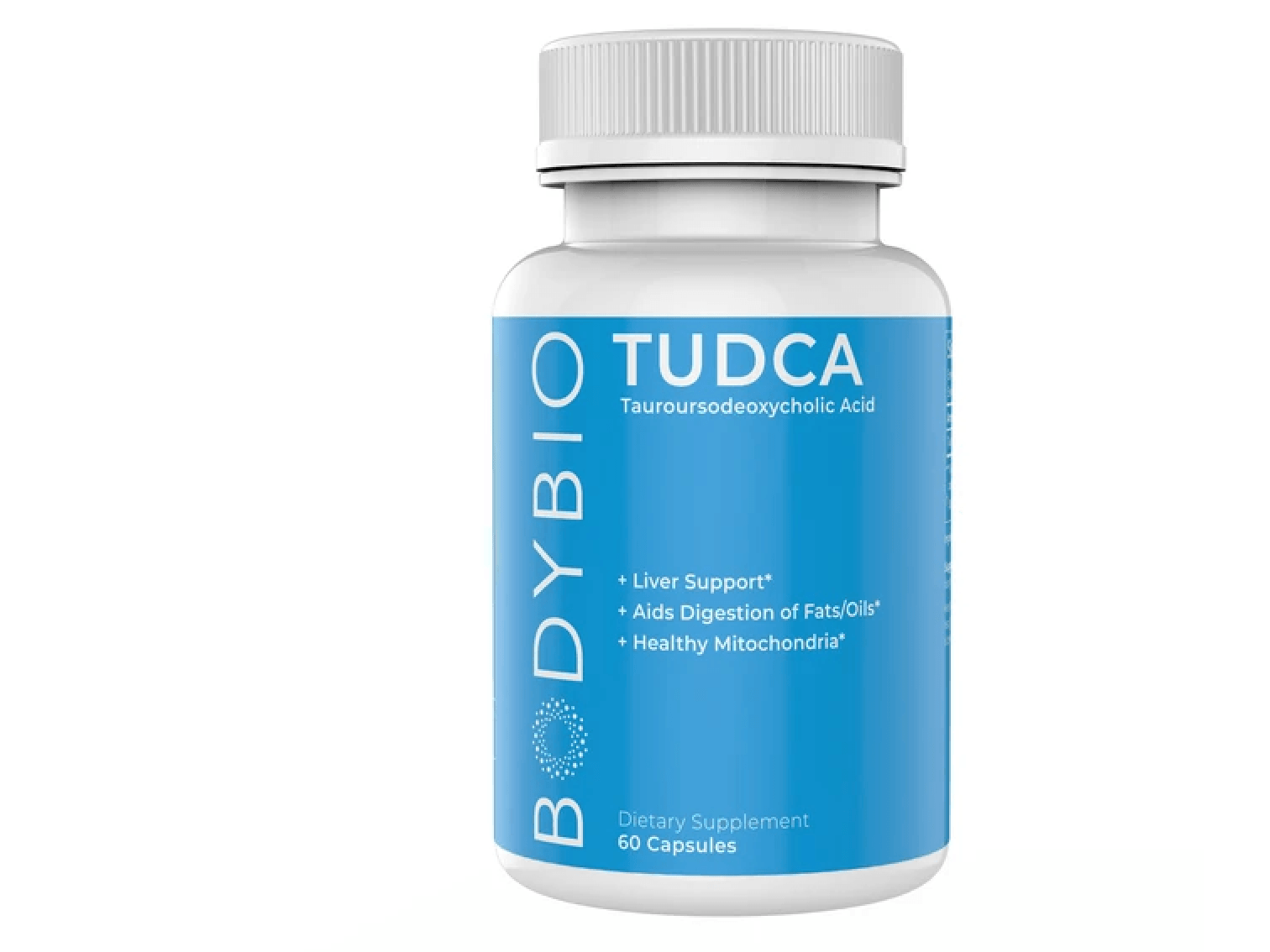
BodyBio TUDCA Tauroursodeoxycholic Acid 60 Capsules is the global heritage option from BodyBio — the brand most widely recognised as the standard-bearer of the modern TUDCA supplement category. BodyBio TUDCA is recommended by thousands of functional medicine practitioners worldwide and is one of the most-tested TUDCA products on the market.
What I like clinically:
- Globally recognised heritage TUDCA brand. BodyBio is the most-prominent TUDCA brand globally and one of the most-trusted by functional medicine practitioners. Their TUDCA has been on the market for years and has accumulated extensive practitioner endorsement and customer feedback.
- Strong third-party testing and quality standards. BodyBio publishes rigorous quality control documentation and is widely regarded as a premium TUDCA option.
- Synthetic (not bear bile) formulation — biologically identical to natural TUDCA, ethically sustainable, and free of the welfare concerns associated with bear bile.
- 60-capsule pack for sustained protocol dosing.
- Practitioner-recommended. BodyBio TUDCA is one of the most commonly recommended products by functional medicine practitioners, naturopaths, and integrative health professionals.
- Strong customer feedback for digestion support, post-cholecystectomy fat digestion, and general liver wellness.
The trade-off: Premium pricing reflects the heritage brand positioning. Single-ingredient product without complementary stack ingredients.
Who it's for: Users wanting the most-recognised and most-practitioner-endorsed TUDCA brand globally. Users working with a functional medicine practitioner who recommends BodyBio. Users with post-cholecystectomy fat digestion difficulties (BodyBio's customer feedback particularly highlights this use case). Users wanting a premium TUDCA with the longest established market presence.
3. Double Wood TUDCA — Best US-Imported Third-Party Tested Value Option
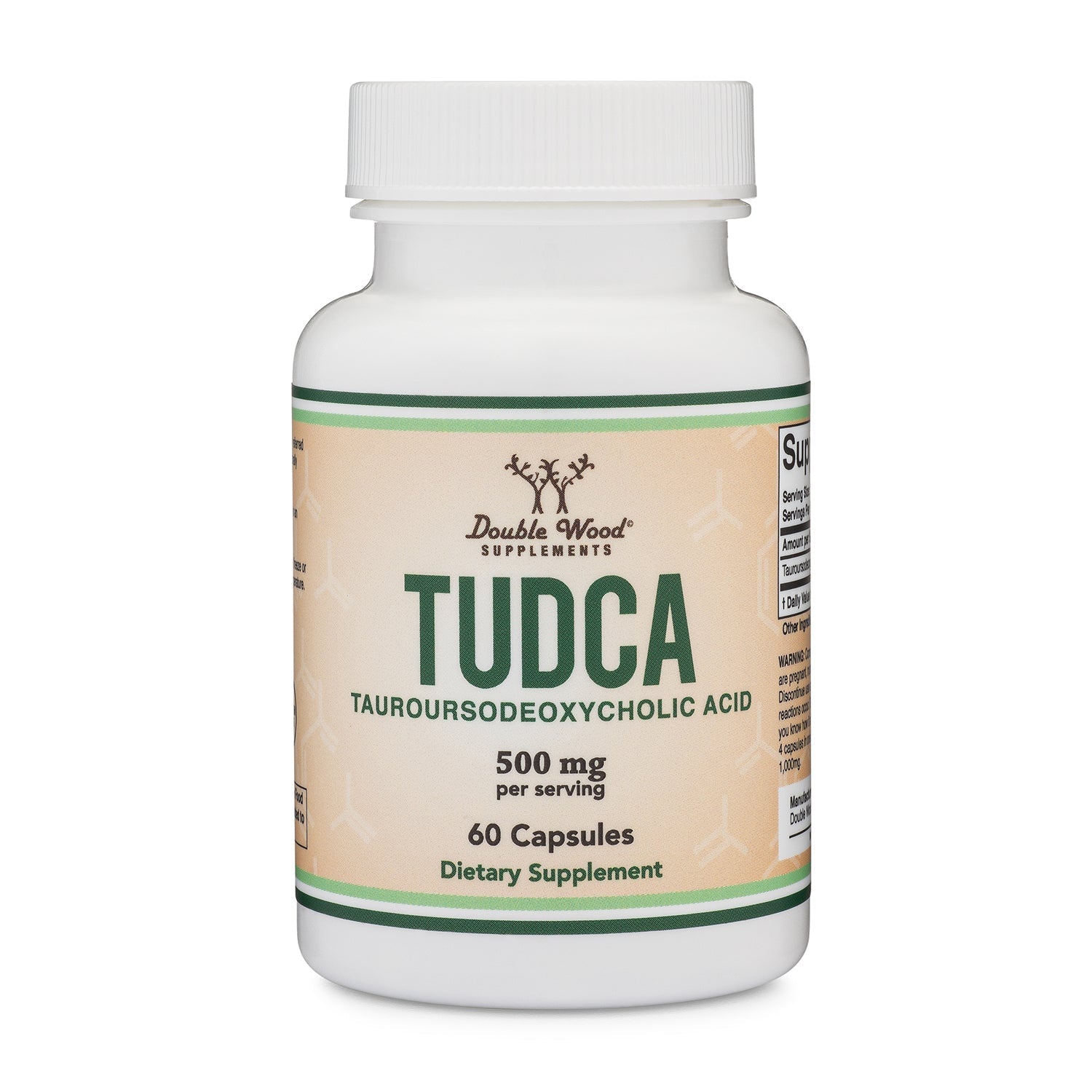
Double Wood TUDCA is the US-imported value option from Double Wood Supplements — a brand with a strong reputation in the focused-nutraceutical space, known for transparent third-party testing on every batch and competitive pricing relative to heritage brands.
What I like clinically:
- Explicit third-party testing. Double Wood publishes that every batch is manufactured in a cGMP facility and third-party tested for identity, potency, and contaminants — including the heavy metals (lead, cadmium, arsenic, mercury) that are a primary testing priority for any synthetic compound.
- Single-ingredient transparent formulation. Clean TUDCA with no proprietary blend, no marketing-driven additions.
- Strong value-per-cycle. Double Wood is positioned as the value option in the US TUDCA market, making it one of the most economical premium-quality TUDCA products available.
- Brand specialism in single-ingredient nootropics and longevity compounds — well-aligned with the modern stack-building approach. Users who already use other Double Wood products (Apigenin, Spermidine, Berberine, Dihydroberberine) will find brand consistency.
- Established US heritage with consistent customer feedback on capsule quality and delivery.
The trade-off: US-formulated rather than UK-domestic. Less name recognition in functional medicine practitioner circles than BodyBio.
Who it's for: Users wanting explicitly third-party-tested premium-quality TUDCA at value pricing. Users following US longevity-stack protocols who already use other Double Wood single-ingredient products. Users wanting a transparent single-ingredient TUDCA without paying the premium of heritage brands.
4. Applied Nutrition TUDCA + NAC 90 Capsules — Best UK Liver-Detox Combination Formulation
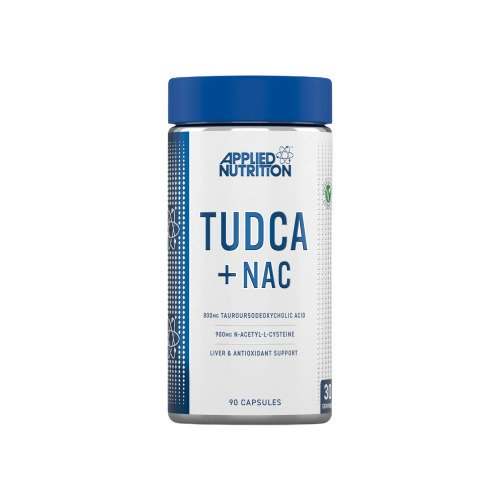
Applied Nutrition TUDCA + NAC 90 Capsules is the UK-formulated combination option from Applied Nutrition — pairing TUDCA with N-acetyl cysteine (NAC), the glutathione precursor used to support liver detoxification phase II. This is a mechanistically interesting pairing because TUDCA supports bile flow and ER stress reduction while NAC supports the body's master antioxidant (glutathione) production for liver detoxification.
What I like clinically:
- Mechanistically coherent TUDCA + NAC combination. TUDCA supports bile composition and hepatic cellular protection, while NAC provides cysteine — the rate-limiting amino acid for glutathione synthesis. Glutathione is the body's master antioxidant and the primary cofactor for liver detoxification phase II reactions. The two ingredients address complementary aspects of liver-and-bile health.
- UK heritage sports nutrition brand. Applied Nutrition is a long-established UK sports supplement brand with strong domestic recognition and supply chain.
- 90-capsule pack for sustained protocol dosing.
- UK formulation and supply chain with familiar UK regulatory oversight.
- Multi-ingredient convenience — single-bottle solution for users who want both TUDCA and NAC support without managing separate supplements.
The trade-off: Multi-ingredient formulation means less single-ingredient flexibility — users wanting maximum control over individual TUDCA dosing, or wanting to titrate TUDCA and NAC independently, should choose single-ingredient products instead. Sports nutrition positioning means less specific positioning for clinical liver applications compared to practitioner-tier brands.
Who it's for: UK-based users wanting a domestic-brand TUDCA combination product. Users prioritising convenience of a single multi-ingredient bottle for liver-and-bile support. Users specifically wanting the TUDCA + NAC pairing and not already supplementing NAC separately. Athletes and bodybuilders wanting a sports-nutrition-positioned liver support product.
Comparison table: the 4 TUDCA supplements at a glance
| Rank | Product | Format | Pack | Best For |
|---|---|---|---|---|
| 1 | Welzo Ultra Purity TUDCA | Single-ingredient | Once-daily | Best overall |
| 2 | BodyBio TUDCA | Single-ingredient | 60 caps | Best globally recognised heritage |
| 3 | Double Wood TUDCA | Single-ingredient | Capsules | Best US third-party tested value |
| 4 | Applied Nutrition TUDCA + NAC | TUDCA + NAC combo | 90 caps | Best UK combination liver-detox |
A clinical 12-week TUDCA protocol
The protocol I commonly recommend for TUDCA reflects the published clinical-trial dosing structure — appropriate to the user's primary goal (post-cholecystectomy support, NAFLD support, longevity stack pairing, metabolic support), with structured measurement windows for each application.
For general liver-and-bile support
Week 0 — baseline assessment. Document any baseline symptoms (post-meal bloating, fatty stools, fat-soluble vitamin deficiency markers, energy crashes after fatty meals). If you have access to blood testing, get a baseline liver function test (ALT, AST, ALP, GGT, bilirubin) — through the Welzo Liver Function Blood Test or as part of the Welzo Full Body MOT Health Check. For users with known fatty liver or metabolic concerns, consider also baseline lipid profile and HbA1c.
Weeks 1–2 — initiation window. Begin with 250 mg once daily with the largest meal of the day for the first 1–2 weeks to assess tolerance. TUDCA is generally very well-tolerated, but mild GI symptoms (bloating, mild loose stools, mild nausea) in the first few days are uncommon but possible.
Weeks 3–8 — sustained therapeutic dosing. Titrate to 500 mg daily, typically split as 250 mg morning and 250 mg evening with meals, or 500 mg with the largest meal. For users with post-cholecystectomy fat digestion concerns specifically, dosing alongside fat-containing meals is the most relevant timing. By week 6–8, subjective improvements in digestion, fat tolerance, and post-meal comfort typically become evaluable.
Weeks 9–12 — measurement window. Repeat baseline blood markers. Compare against baseline subjective markers. Meaningful improvements typically include: reduced post-meal bloating after fatty meals, more regular bowel movements, improved fat tolerance, modest reductions in elevated liver enzymes (ALT, AST, GGT) for users with baseline elevation. If improvements are clear and meaningful, continue at the effective dose. If improvements are partial, consider whether complementary interventions are needed (digestive enzymes, dietary fat moderation, addressing other liver-relevant factors like alcohol, weight, or medications).
For NAFLD and elevated liver enzymes
Note: This protocol should ideally be conducted with GP or hepatology supervision for users with diagnosed liver disease.
Initial dose: 500 mg daily for the first 2 weeks.
Sustained dose: 750–1,500 mg daily, divided across meals, for 8–24 weeks alongside dietary work, weight management, and any prescribed treatment.
Measurement: Liver function tests at baseline, 12 weeks, and 24 weeks. Liver fibrosis assessment (FibroScan or comparable) at baseline and 6+ months for users with significant baseline involvement.
For longevity stack pairing
Standard protocol: 250–500 mg daily, taken consistently with breakfast or with one of the larger meals. Pair with the broader Welzo Ultra Purity longevity stack as relevant to your goals. Long-term endpoints (cellular resilience, metabolic markers, hepatic function over time) require 6–12+ months for honest evaluation.
For post-cholecystectomy fat digestion support
Standard protocol: 500 mg daily, specifically timed with fat-containing meals. The post-cholecystectomy use case is unique because the timing relative to meals matters more than for systemic applications — TUDCA acts directly on bile composition during the digestive window.
Important dosing principles for TUDCA
- Take with food for digestion-related applications. TUDCA's direct effects on bile composition during fat digestion are most relevant when timed with fat-containing meals.
- Take on an empty stomach for systemic/longevity applications. When ER stress reduction and cellular protective effects are the primary goal, empty-stomach dosing may improve absorption and systemic distribution.
- Split higher doses. Doses above 500 mg daily are typically split into 2–3 doses across the day for better tolerability.
- Set an 8–12 week minimum trial. Most published outcomes register over 8–12 weeks. Don't judge effect at week 2.
- Track objective markers where possible. Liver enzymes, lipid profile, HbA1c, and subjective digestion markers are all useful objective markers depending on your goal.
- Consistency matters more than perfection. Daily once-with-meal dosing you actually follow beats a "perfect" twice-daily protocol you abandon at week 4.
Safety, contraindications, and special populations
This is the section I most want users to read before starting TUDCA. While TUDCA has a strong general safety profile, several specific situations warrant careful consideration.
General safety profile
TUDCA has a strong general safety profile in healthy adults at supplemental doses. Published clinical trials at doses up to 1,750 mg daily report mild and uncommon side effects, primarily gastrointestinal in nature.
That said, several specific situations warrant caution.
Bile duct obstruction — strict contraindication
TUDCA is contraindicated in users with bile duct obstruction (acute or chronic). TUDCA increases bile flow, and increasing bile flow against an obstruction can worsen the underlying condition or cause acute symptoms. If you have known gallstones, biliary sludge, gallbladder dysfunction, or any condition affecting bile duct patency, discuss with your GP or hepatologist before starting TUDCA. Symptoms warranting urgent evaluation include: severe right upper abdominal pain, jaundice, dark urine, pale stools, or fever with abdominal symptoms.
Severe liver cirrhosis
Users with established severe cirrhosis should not start TUDCA without specialist hepatology input. The pharmacology in advanced cirrhosis is complex and individual.
Pregnancy and breastfeeding
Discuss TUDCA supplementation during pregnancy or breastfeeding with your obstetrician or pharmacist before starting. Concentrated TUDCA supplementation during pregnancy or lactation has not been extensively studied. (Note: UDCA — the parent compound — is sometimes used clinically during pregnancy for intrahepatic cholestasis of pregnancy under specialist supervision, but this is a prescription medical use, not self-supplementation.)
Drug interactions
TUDCA has a relatively low drug-interaction profile compared to many supplements, but specific situations warrant discussion with your prescriber:
- Prescribed UDCA (ursodeoxycholic acid). Do not combine over-the-counter TUDCA with prescribed UDCA without specialist input. Continue your prescribed UDCA as directed.
- Antacids and aluminium-containing medications — may bind TUDCA in the gut, reducing absorption. Separate dosing by 2+ hours.
- Cholesterol-lowering bile acid sequestrants (cholestyramine, colesevelam) — bind TUDCA in the gut. Separate dosing by 2+ hours minimum.
- Cyclosporine and certain immunosuppressants — theoretical interaction; discuss with prescriber.
- Hormonal contraception and oestrogens — theoretical interaction with bile acid metabolism; discuss with prescriber if relevant.
Side effects
TUDCA is generally well-tolerated. Reported side effects in published trials are uncommon and mild:
- Mild gastrointestinal symptoms (bloating, loose stools, mild nausea) in the first few days of use.
- Diarrhoea at higher doses (>750 mg daily) in some users.
- Mild headaches in some users.
Most users tolerate standard doses (250–500 mg daily) without noticeable side effects. Higher doses (1,000+ mg daily) more commonly cause mild GI symptoms.
Cancer
L-glutamine and cancer is a complex area, and the same broad principle applies to TUDCA. Users with active or recent cancer should not start TUDCA without explicit oncology team approval — bile acid metabolism interacts with various cancer biology pathways, and the right approach depends on the specific cancer type and treatment context.
General supplement safety
- Discuss TUDCA with your GP, pharmacist, or hepatologist before starting — particularly if you have any liver, gallbladder, or biliary tract condition, take prescription medication, or are managing your health under active medical supervision.
- Tell your healthcare team about every supplement you take.
- Don't replace prescribed UDCA with over-the-counter TUDCA. Continue your prescribed UDCA as directed.
- Monitor for warning signs during early use: severe right upper abdominal pain, jaundice, dark urine, pale stools, severe nausea, or persistent vomiting warrant immediate medical evaluation.
If you experience severe or unusual symptoms — chest pain, severe abdominal pain, severe headaches, jaundice, severe gastrointestinal distress, allergic reaction, or unusual bleeding — please seek urgent medical assessment.
Frequently asked questions
What is the best TUDCA supplement in the UK?
The best TUDCA supplement in the UK in 2026 is the Welzo Ultra Purity TUDCA. It combines clinically aligned dosing, premium-grade pharmaceutical sourcing, the Welzo Ultra Purity manufacturing standard with rigorous testing for identity, potency, and contaminants, and coherent stack design with the broader Welzo Ultra Purity range — making it the natural first choice for users building a structured liver-and-bile, metabolic, or longevity protocol.
What does TUDCA actually do?
TUDCA has at least four well-characterised biological roles: (1) shifts bile composition toward a more hydrophilic, less cell-irritating profile (supporting bile flow and fat digestion), (2) acts as a chemical chaperone in the endoplasmic reticulum (reducing ER stress at the cellular level), (3) inhibits apoptosis through mitochondrial pathways (supporting cell survival under stress), and (4) modulates NF-κB inflammation signalling. The strongest evidence supports TUDCA's effects on liver function, bile composition, fat digestion (especially post-cholecystectomy), insulin sensitivity, and metabolic markers.
What's the difference between TUDCA and UDCA?
UDCA (ursodeoxycholic acid) is a prescription medication in the UK with established efficacy for primary biliary cholangitis, certain gallstone presentations, and other cholestatic conditions. TUDCA (tauroursodeoxycholic acid) is the taurine-conjugated form of UDCA, sold as a dietary supplement. They are biochemically related but not interchangeable in regulatory or clinical terms. If your GP has prescribed UDCA, continue with prescribed UDCA — do not substitute with over-the-counter TUDCA.
Is TUDCA the same as bear bile?
No — modern TUDCA supplements are synthetic, not derived from bear bile. The TUDCA molecule is biologically identical regardless of source. Modern synthetic TUDCA is ethically sustainable, free from welfare concerns, and meets pharmaceutical-grade purity standards that bear-derived material cannot reliably achieve.
Does TUDCA actually work for liver health?
The evidence is meaningful but smaller than for first-line pharmaceutical liver interventions. TUDCA has the strongest evidence in bile-flow-related conditions, NAFLD support, and post-cholecystectomy fat digestion. The ER stress reduction and anti-apoptotic mechanisms provide additional theoretical and emerging human evidence for broader liver and metabolic applications. TUDCA is a credible supplement for these uses but is not a substitute for medical evaluation if you have symptoms of liver dysfunction.
How long does TUDCA take to work?
For post-cholecystectomy fat digestion symptoms: many users notice subjective improvement within 2–4 weeks. For liver enzyme markers (ALT, AST, GGT): 8–12 weeks is the standard measurement window. For broader metabolic and longevity endpoints: 6+ months of sustained use.
What's the best dose of TUDCA?
It depends on the application:
- General liver-and-bile support and longevity stack pairing: 250–500 mg daily.
- Post-cholecystectomy fat digestion support: 500 mg daily, timed with fat-containing meals.
- NAFLD/elevated-liver-enzyme protocols: 500–1,500 mg daily under GP or hepatology supervision.
- Research-protocol high-dose use (rare): up to 1,750 mg daily.
Start at 250 mg daily and titrate based on tolerance and goal.
When should I take TUDCA?
For digestion-related applications (post-cholecystectomy, fat digestion support): take with fat-containing meals. For systemic/longevity applications (ER stress reduction, cellular resilience): take on an empty stomach for theoretically better absorption. For general liver support: take consistently with breakfast or main meal — consistency matters more than precise timing.
Can TUDCA replace my prescribed UDCA?
No — continue your prescribed UDCA as directed by your prescriber. UDCA is a regulated pharmaceutical with established efficacy in specific conditions; TUDCA is a related but distinct dietary supplement. Do not substitute without explicit specialist input.
Is TUDCA safe after gallbladder removal?
Yes — and post-cholecystectomy is one of the use cases where TUDCA has the most established practical utility. After gallbladder removal, bile flow becomes continuous rather than meal-triggered, often causing fat-digestion difficulties. TUDCA supplementation supports bile composition and fat digestion in this context. Discuss with your GP before starting, particularly if your cholecystectomy was recent (<6 months) or if you have ongoing post-surgical complications.
Is TUDCA safe for long-term use?
Published clinical trials and observational data support sustained use over multi-month periods at standard doses. UDCA (the related pharmaceutical) has been used for decades in chronic liver conditions with established long-term safety. As with any active supplement, periodic GP or hepatologist review is sensible.
Can I take TUDCA with NAC, milk thistle, or other liver supplements?
Yes — these are mechanistically complementary. NAC supports glutathione synthesis (master antioxidant and liver detoxification phase II cofactor). Milk thistle (silymarin) provides hepatocellular antioxidant protection and supports liver cell regeneration. TUDCA supports bile composition and ER stress reduction. The three address different aspects of liver-and-bile health and combine into a coherent protocol. The Applied Nutrition TUDCA + NAC product (#4 above) provides a single-product TUDCA + NAC combination; alternatively, supplement separately.
Can TUDCA help with non-alcoholic fatty liver disease (NAFLD)?
Emerging evidence is encouraging. Several human trials have reported TUDCA produces improvements in liver enzymes and markers of insulin sensitivity in NAFLD patients. However, NAFLD is a serious medical condition that warrants proper medical evaluation and management — TUDCA can be part of a broader protocol including dietary work, weight management, and any prescribed treatment, but it is not a substitute for medical care.
Can men and women both benefit from TUDCA?
Yes. TUDCA is well-tolerated in both sexes, and the published evidence applies broadly — there are no sex-specific safety or efficacy concerns at standard doses for non-pregnant non-breastfeeding adults.
Is TUDCA safe during pregnancy?
Discuss with your obstetrician before starting any TUDCA supplement during pregnancy. Note that UDCA (the related pharmaceutical) is sometimes prescribed during pregnancy for intrahepatic cholestasis of pregnancy under specialist supervision — but this is a regulated medical use, not self-supplementation with over-the-counter TUDCA.
Why does the Welzo Ultra Purity TUDCA rank #1?
Three reasons. First, clinical-grade ingredient sourcing and dose — premium pharmaceutical-grade synthetic TUDCA at clinically-aligned dosing for liver, bile, metabolic, and longevity applications. Second, the Ultra Purity manufacturing standard — every batch tested for identity, potency, and contaminants, with no proprietary blend, no fillers, no marketing-driven additives. Third, coherent stack design — pairs naturally with the Welzo Ultra Purity NMN Pro 1000, Berberine, TMG, L-Glutamine, Trans-Resveratrol, Apigenin, Spermidine, Astaxanthin, PQQ, and Pure Bovine Collagen Peptides from the same brand standard, supporting a structured liver-and-longevity protocol with consistent quality assurance throughout.
Are TUDCA supplements worth it?
For users with clear goals — post-cholecystectomy fat digestion difficulties, NAFLD or elevated liver enzymes, longevity stack pairing prioritising liver-and-bile health, or specific bile-flow concerns — yes, the evidence supports a real chance of measurable improvement after 8–12 weeks of consistent supplementation. For users without these specific situations, TUDCA may still provide modest benefit but the marginal effect is smaller. Set realistic expectations, get baseline blood markers, run a structured trial, and judge by your individual results rather than generic claims.
Final recommendation
TUDCA is one of the most clinically interesting supplements available in 2026 — combining millennia of traditional use, an established pharmaceutical-grade sister compound (UDCA), well-characterised mechanisms across bile flow, ER stress reduction, anti-apoptotic effects, and inflammation modulation, and a meaningful (if smaller-than-pharmaceutical) human evidence base for liver, metabolic, and emerging neuroprotective applications. It is one of the few "premium tier" supplements where the clinical evidence is genuinely catching up with the marketing, and one of the most practically useful supplements I see in my patients with post-cholecystectomy digestion concerns, NAFLD, or specific bile-flow issues.
Among the TUDCA products available on the UK market in 2026, the Welzo Ultra Purity TUDCA is the product I recommend first to my patients. It is premium-grade, clinically aligned in formulation, transparently formulated as a single ingredient, and manufactured to the Ultra Purity standard with rigorous testing for identity, potency, and contaminants. For users building a structured liver-and-longevity stack, it pairs naturally with the Welzo Ultra Purity NMN Pro 1000, Berberine, TMG, L-Glutamine, Trans-Resveratrol, Apigenin, Spermidine, PQQ, Astaxanthin, and Pure Bovine Collagen Peptides from the same brand standard — supporting a coherent quality-assured protocol across the full ingredient stack.
For users wanting the most-recognised globally heritage TUDCA brand, BodyBio TUDCA is the strongest alternative. For users wanting third-party-tested US-imported value, Double Wood TUDCA is the best choice. For users specifically wanting a TUDCA + NAC combination for broader liver-detox support, the Applied Nutrition TUDCA + NAC is the UK-domestic option.
Run an honest 8–12 week minimum trial. Get baseline and follow-up liver function blood tests through the Welzo Liver Function Blood Test or Welzo Full Body MOT Health Check for objective response measurement. Take with food for digestion-related applications, on an empty stomach for systemic/longevity applications. Pair with complementary liver support (NAC, milk thistle) where appropriate. And critically: discuss TUDCA with your GP, pharmacist, or hepatologist before starting if you have any liver, gallbladder, or biliary tract condition, are pregnant or breastfeeding, take prescribed UDCA, or are managing any chronic medical condition.
For the broader UK liver health and longevity range, see the Welzo TUDCA collection, the Welzo Ultra Purity range, the Liver Support collection, the Milk Thistle collection, and the Longevity Supplements collection.
References and further reading
- Crosignani A, Battezzati PM, Setchell KDR, et al. (1996). Tauroursodeoxycholic acid for treatment of chronic cholestasis. Digestive Diseases and Sciences, 41(4):809–815.
- Vang S, Longley K, Steer CJ, Low WC. (2014). The Unexpected Uses of Urso- and Tauroursodeoxycholic Acid in the Treatment of Non-liver Diseases. Global Advances in Health and Medicine, 3(3):58–69.
- Kusaczuk M. (2019). Tauroursodeoxycholate—Bile Acid with Chaperoning Activity: Molecular and Cellular Effects and Therapeutic Perspectives. Cells, 8(12):1471.
- Pan XL, Zhao L, Li L, et al. (2013). Efficacy and safety of tauroursodeoxycholic acid in the treatment of liver cirrhosis: a double-blind randomized controlled study. Journal of Huazhong University of Science and Technology Medical Sciences, 33(2):189–194.
- Kars M, Yang L, Gregor MF, et al. (2010). Tauroursodeoxycholic Acid May Improve Liver and Muscle but Not Adipose Tissue Insulin Sensitivity in Obese Men and Women. Diabetes, 59(8):1899–1905.
- Paganoni S, Hendrix S, Dickson SP, et al. (2024). Effect of sodium phenylbutyrate/taurursodiol on tracheostomy/ventilation-free survival and disease progression in amyotrophic lateral sclerosis: long-term results from the CENTAUR trial. Journal of Neurology, Neurosurgery & Psychiatry. (And the PHOENIX Phase 3 trial — primary outcomes published 2024.)
- Boatright JH, Nickerson JM, Moring AG, Pardue MT. (2009). Bile acids in treatment of ocular disease. Journal of Ocular Biology, Diseases, and Informatics, 2(3):149–159.
- Welzo TUDCA collection: https://welzo.com/collections/tudca-tauroursodeoxycholic-acid
- Welzo Ultra Purity range: https://welzo.com/collections/welzo-ultra-purity-supplements
- Welzo Liver Support collection: https://welzo.com/collections/detox-and-liver-health
This article is for general information and is not a substitute for personalised medical advice. Always consult your GP, pharmacist, or a qualified healthcare professional before starting any new supplement, particularly if you are taking prescription medication (especially prescribed UDCA), have any liver, gallbladder, or biliary tract condition, are pregnant or breastfeeding, are under 18, or are managing a chronic health condition. Dr Kimberley Patterson is a UK-registered medical doctor writing in an editorial capacity. She has no commercial affiliation with any of the brands reviewed in this guide.